Bluetooth Hearing Aids: How They Work and What to Know

Affiliate disclosure: Some links on this page are affiliate links. If you buy through them we earn a small commission at no extra cost to you. This never influences which products we recommend — we only suggest things we'd buy ourselves. Product prices and availability are accurate as of the date published and are subject to change. Always check Amazon for current pricing before purchasing. Learn more.
Hearing aids with Bluetooth connectivity have changed how millions of people manage hearing loss in daily life. Streaming phone calls, television audio, and music directly into both ears gives wearers a cleaner listening experience than speakerphone or standard TV volume ever could.
Understanding how that technology actually works, what it costs, and where it falls short takes some unpacking. The sections below cover the mechanics of Bluetooth hearing aids, what buyers should weigh before purchasing, and honest answers to the questions that come up most often in hearing loss communities.
What Are Bluetooth Hearing Aids?
Bluetooth hearing aids are hearing devices, either prescription or over-the-counter, equipped with wireless radio technology that allows them to pair directly with smartphones, tablets, televisions, and other compatible accessories. Rather than picking up sound only through the microphone on the hearing aid housing, a Bluetooth-enabled device can receive an audio signal digitally, processing it with far less background noise than an analog microphone path would introduce.
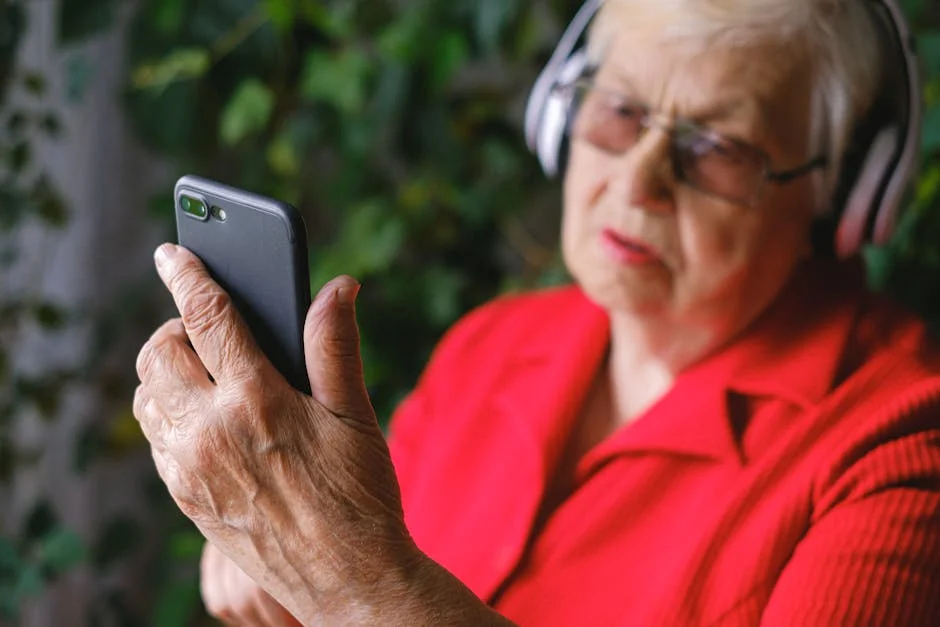
The practical effect is significant. When Ruth streams a phone call directly into her Phonak Audeo, she hears the caller’s voice in both ears at her programmed volume level, not through a tiny phone speaker held against one ear. That binaural streaming is one of the most consistently praised features in owner reviews on Hearing Tracker, where users with moderate-to-severe loss frequently describe phone calls as their single biggest daily frustration before switching to a streaming-capable device.
How Bluetooth Hearing Aid Technology Has Evolved
Early Bluetooth hearing aids, roughly those sold before 2014, relied on an intermediate streaming device worn around the neck or clipped to a shirt. These “streamers” or “relays” acted as a bridge between the phone and the hearing aid, since the Bluetooth radios of that era drew too much power for a device running on a size 312 or size 10 battery.
Made for iPhone (MFi) technology, introduced by Apple and adopted by manufacturers including ReSound, Starkey, and Phonak, changed that calculus. MFi uses a low-energy Bluetooth variant that communicates directly between a compatible iPhone and the hearing aids without a relay device. Google followed with the Audio Streaming for Hearing Aids (ASHA) protocol for Android devices. Most current premium and mid-range hearing aids now support one or both standards, and Bluetooth LE Audio, a newer specification built on the LC3 codec, is beginning to appear in the latest device generations as of 2024 and 2025.
Audiologists writing in The Hearing Journal have noted that LE Audio’s lower latency is particularly meaningful for television streaming, where even a fraction-of-a-second delay between lip movement and audio creates noticeable cognitive strain for hearing aid wearers.
OTC vs. Prescription Bluetooth Hearing Aids
The FDA’s 2022 over-the-counter hearing aid rule opened the U.S. market to self-fit devices for adults with perceived mild-to-moderate hearing loss. Many OTC models, including the Jabra Enhance Pro that Ruth uses as a backup, include full Bluetooth streaming. Prescription devices fitted by an audiologist cover a wider range of loss severity and benefit from professional programming, but both categories now commonly offer app control, streaming, and remote adjustment features.
The distinction matters when evaluating Bluetooth capability because OTC devices occasionally sacrifice audio processing depth in the name of simplicity. Audiologists writing in Hearing Review have pointed out that while OTC Bluetooth streaming quality has improved substantially, the underlying hearing aid processing that shapes streamed audio to a user’s specific audiogram remains more sophisticated in prescription devices. For someone with moderate-to-severe loss like Ruth, that processing difference is audible.
What Can You Actually Stream?
Manufacturer documentation across major brands, including Phonak, ReSound, Oticon, Widex, Starkey, and Signia, lists broadly similar streaming categories: phone calls, music and podcasts, television audio (usually via a separate TV adapter accessory), and app-based control. The specifics vary.
Phone Calls
Direct phone call streaming is the feature that drives the most purchase decisions among the adults I speak with in hearing loss communities. Binaural call audio, meaning the caller’s voice delivered to both ears simultaneously, consistently receives strong ratings in user reviews on Hearing Tracker. The hearing aids also pick up the wearer’s voice through their own microphones, so the caller experience is generally comparable to a standard phone call.
Compatibility matters here. MFi devices pair natively with iPhones but historically required a relay or app workaround for Android. ASHA-compatible devices work with a growing list of Android phones, though verified buyers on Hearing Tracker forums note that compatibility varies by Android manufacturer and operating system version. Phonak’s proprietary Bluetooth approach is unusual in that it supports both iOS and Android direct streaming without relying on MFi or ASHA, which is one reason it appears frequently in audiologist recommendations for patients who are not committed to one phone platform.
Television
Most Bluetooth hearing aid ecosystems include an optional TV streaming accessory, typically a small transmitter plugged into a television’s optical audio or RCA output. Phonak’s TV Connector, ReSound’s TV Streamer, and Oticon’s TV Adapter all operate on this principle. The result is clean, low-latency audio delivered directly to both aids.
Field reports from Hearing Tracker’s TV streaming threads note that latency, meaning the gap between the picture and the audio, is the most common complaint. LE Audio-equipped devices have shown improvement here, but users with older Bluetooth generation devices occasionally describe a slight delay that becomes distracting during dialogue-heavy programs.
Music and Phone Audio
Streaming music through hearing aids is functional for most wearers, though owner reviews across platforms describe it as a secondary benefit rather than the primary driver of satisfaction. Hearing aids are tuned to amplify speech frequencies, and that profile does not always translate to a full-range music listening experience. Users with mild-to-moderate loss who retain some natural hearing in lower frequencies tend to report better music satisfaction than those with steeper high-frequency losses.
Buying Guide: Choosing Bluetooth Hearing Aids
Understanding Your Phone Compatibility First
Before evaluating any specific hearing aid, confirm your current smartphone’s Bluetooth protocol compatibility. iPhone users from iPhone 6 onward have broad MFi compatibility. Android users need to check the ASHA compatibility list maintained by Google, since not every Android device supports the protocol even when it runs a compatible OS version. Some manufacturers, notably Phonak with its Bluetooth Classic-based approach, sidestep this issue entirely, which is worth noting if you or a family member switches phones frequently.
The Bluetooth hearing aids category has expanded quickly enough that the safest approach is to confirm compatibility with your specific phone model, not just the phone brand, before committing to a device. Audiologists and verified retailer support staff can typically confirm this in a short conversation.
Prescription vs. OTC for Bluetooth Features
For mild-to-moderate hearing loss, OTC Bluetooth hearing aids offer genuine value. Brands like Jabra, Sony, and Eargo provide app control, streaming, and reasonable sound quality at mid-range price bands. For moderate-to-severe or severe loss, prescription remains the stronger path, not because the Bluetooth technology itself is different, but because the hearing aid processing that shapes streamed audio to fit a complex audiogram requires professional programming.
Costco’s hearing aid program occupies an interesting middle space: it offers audiologist-fitted prescription devices at mid-range price bands, though owner reviews consistently flag long appointment wait times as a practical drawback in many markets. If time is not a constraint, Costco-fitted devices with Bluetooth streaming represent good value at prescription quality.
Accessories and the Full Ecosystem
Bluetooth hearing aids rarely operate in complete isolation. Television streaming typically requires a separate transmitter accessory sold by the same manufacturer. Remote microphone accessories, which pick up a distant speaker’s voice and stream it directly into the aids, are especially useful in restaurants and meetings. Manufacturer documentation shows these accessories usually communicate on proprietary 2.4 GHz channels rather than standard Bluetooth, which can cause confusion when buyers expect one universal pairing approach.
Budget for accessories when comparing total cost. A premium hearing aid paired with a TV streamer and a remote microphone represents a meaningfully different investment than the hearing aid alone, and those accessories are not interchangeable across brands.
App Control and Remote Adjustments
Most current Bluetooth hearing aids include a companion smartphone app that allows the wearer to adjust volume, shift programs, and in some cases manage environment-specific settings. Audiologists writing in The Hearing Journal have flagged app usability as a growing differentiator, particularly for older adults managing hearing aids independently.
Apps vary significantly in interface quality. Starkey’s Thrive app and ReSound’s Smart 3D app receive consistent usability praise in owner reviews. Eagon and Audien, at budget price bands, receive more mixed reviews for app depth and reliability. For any buyer who will rely on self-adjustment, testing the app interface before purchasing is worth the effort, whether through a trial period or an in-store demonstration.
Battery and Bluetooth Power Draw
Bluetooth streaming draws more power than standard microphone-based listening. Rechargeable hearing aids have become the dominant form factor in part because daily streaming makes disposable battery life less predictable. Manufacturer documentation for most current rechargeable devices specifies charging times of roughly three hours for a full charge and battery life of sixteen to twenty-four hours under mixed-use conditions, with streaming reducing that range.
For wearers who stream television for several hours each evening, choosing a device with documented streaming battery life, not just standby battery life, is an important step that is easy to overlook in spec comparisons.
What to Expect in Everyday Situations
Owner reviews on Hearing Tracker and consumer forums consistently describe three real-world scenarios that reveal the strengths and limits of Bluetooth hearing aids in honest terms.
Restaurants remain difficult. Bluetooth streaming does not solve the cocktail party problem because restaurant noise arrives through the hearing aid microphones, not through the Bluetooth channel. Some manufacturers offer restaurant-specific programs and directional microphone modes that help, but verified buyers note that streaming a phone call in a busy restaurant is still a mixed experience for many wearers.
Television and one-on-one phone calls are where the technology performs most reliably. These are controlled acoustic environments where the Bluetooth signal quality is stable and background noise is manageable. Ruth’s experience with her Phonak Audeo confirms this pattern: phone calls and TV streaming are the features she describes as most consistently useful in daily life.
Outdoor and gym use introduces a different variable. Bluetooth signal dropout, the brief audio interruption that occurs when a phone is more than a few meters from the hearing aids or when the body is between the phone and the aids, shows up regularly in owner reviews. Most wearers adapt by keeping their phone on their body, but it is worth knowing the limitation exists.
Closing Thoughts
Bluetooth connectivity has moved from a premium add-on to a standard expectation across most hearing aid categories, prescription and OTC alike. Whether the priority is clear phone calls, late-night television without waking a partner, or simply adjusting volume from a phone without reaching behind an ear, the technology delivers on those specific use cases in ways that genuinely improve daily life for people with hearing loss.
For a broader look at current device options, compatibility details, and how streaming features differ across price bands, the Bluetooth hearing aids hub covers the full landscape in one place.
Frequently Asked Questions
Do Bluetooth hearing aids work with both iPhone and Android?
Most current hearing aids are designed to work with both platforms, but the underlying protocols differ. MFi devices are optimized for iPhone, while ASHA-compatible devices work with a growing list of Android phones. Phonak’s proprietary Bluetooth system supports both without relying on either MFi or ASHA, which verified buyers on Hearing Tracker note as a practical advantage for households with mixed devices. Check your specific phone model against the manufacturer’s confirmed compatibility list before purchasing.
Can I stream TV audio directly to my hearing aids without a separate device?
Most hearing aids require a small transmitter accessory connected to your television’s audio output for TV streaming. This accessory is typically sold separately and is brand-specific, meaning it will only work with hearing aids from the same manufacturer. A small number of newer devices with Bluetooth LE Audio support are beginning to offer direct TV streaming without an intermediary device, but manufacturer documentation confirms that this capability remains limited to the most current device generations.
Will Bluetooth hearing aids drain my battery faster?
Yes, streaming audio via Bluetooth draws more power than standard microphone use. Manufacturer documentation for most rechargeable devices quotes full-day battery life under mixed-use conditions, but extended streaming, such as several hours of television audio each evening, will reduce that range. Owner reviews on Hearing Tracker consistently advise choosing a rechargeable model and charging nightly if streaming is a daily habit, rather than relying on disposable batteries with unpredictable runtime.
Are OTC Bluetooth hearing aids as good as prescription ones for streaming?
The Bluetooth streaming technology itself is broadly comparable across OTC and prescription categories. The meaningful difference is in how streamed audio is processed to fit a specific hearing loss profile. Prescription devices are programmed to a verified audiogram, so streamed phone calls and TV audio are shaped to the wearer’s actual hearing thresholds. Audiologists writing in Hearing Review note that this processing difference is most noticeable for wearers with moderate-to-severe or asymmetric hearing loss.
What causes Bluetooth dropout in hearing aids, and can it be fixed?
Dropout, the brief audio interruption during streaming, is most commonly caused by distance between the hearing aids and the paired device, physical obstruction such as the wearer’s body blocking the signal, and wireless interference from other devices. Keeping the paired phone in a shirt or pants pocket rather than a bag typically reduces dropout significantly. Manufacturer firmware updates occasionally address connectivity issues, and verified buyers on Hearing Tracker forums report that keeping both the hearing aid firmware and the companion app updated resolves many intermittent dropout problems.