Hearing Aids for Seniors: A Complete Guide to Options

Affiliate disclosure: Some links on this page are affiliate links. If you buy through them we earn a small commission at no extra cost to you. Recommendations are research-driven; we don't claim personal use of every product reviewed. Product prices and availability are accurate as of the date published and are subject to change. Always check Amazon for current pricing before purchasing. Learn more.
Important:licensed audiologist or hearing healthcare professional

Hearing loss in older adults is more common than most families realize. According to the National Institute on Deafness and Other Communication Disorders, roughly one in three adults between ages 65 and 74 has measurable hearing loss, and nearly half of adults over 75 are affected. For many seniors, that loss accumulates quietly over years before it becomes impossible to ignore at the dinner table, during phone calls with grandchildren, or while following a television program.
Finding the right support is genuinely complicated. The market now includes both prescription devices fitted by audiologists and over-the-counter (OTC) options available without a clinical appointment. Our full resource on Hearing Aids for Seniors covers the landscape in more depth, but this article focuses on what actually matters when you are evaluating options for yourself or an older family member.
Why Hearing Loss in Seniors Deserves Careful Attention
Age-related hearing loss, clinically called presbycusis, typically affects high-frequency sounds first. That means consonants like “s,” “f,” “th,” and “sh” become harder to distinguish before overall loudness becomes an issue. A person with early presbycusis often hears that someone is speaking but cannot make out the words clearly, particularly in noisy environments like restaurants or family gatherings. This pattern is important because it shapes which hearing aid features matter most.
Audiologists writing in The Hearing Journal have consistently noted that untreated hearing loss in older adults is associated with increased social withdrawal, accelerated cognitive decline, and a reduced sense of overall wellbeing. Those outcomes are not inevitable. Properly fitted amplification, combined with realistic expectations and follow-up care, can restore meaningful participation in daily life. The keyword there is “properly fitted.” A device that is not calibrated to an individual’s specific audiogram may amplify the wrong frequencies, cause discomfort, or simply sit unused in a drawer.
The Prescription vs. OTC Question
The 2022 federal rule establishing an OTC hearing aid category created genuine new options for adults with mild-to-moderate hearing loss. Under that rule, adults 18 and older can purchase amplification devices without a prescription, audiologist visit, or medical exam. That accessibility is real and valuable, particularly for people in rural areas, those without hearing health insurance coverage, or anyone who wants to try amplification before committing to a full clinical process.
However, the OTC category is not appropriate for everyone. Adults with severe or profound hearing loss, single-sided deafness, ear pain, drainage, or a history of sudden hearing loss changes should see an audiologist or ENT physician before purchasing any device. Children under 18 are excluded from the OTC pathway entirely. The FDA’s OTC framework is designed specifically for perceived mild-to-moderate adult hearing loss, and using it outside that scope can delay necessary medical evaluation.
What the Research Says About Hearing Aid Use in Older Adults
One persistent challenge in this category is low adoption and high abandonment. Studies cited in Hearing Review have found that a substantial portion of adults who acquire hearing aids either wear them inconsistently or stop using them altogether within the first two years. The most commonly reported reasons include discomfort with fit, difficulty managing small device controls, feedback or whistling during use, and frustration with performance in background noise.
Those findings point toward specific features that matter most for senior buyers: comfortable extended wear, straightforward volume and program controls (ideally accessible without a smartphone app), strong directional microphone performance in noisy environments, and reliable service or adjustment support after purchase.
How to Choose the Right Hearing Aid for a Senior
This section is written to help families and older adults weigh the decisions that come up most often during the selection process. For a broader overview of device categories and use cases, the senior hearing aid resource hub provides additional context.
Prescription vs. Over-the-Counter: Making the Call
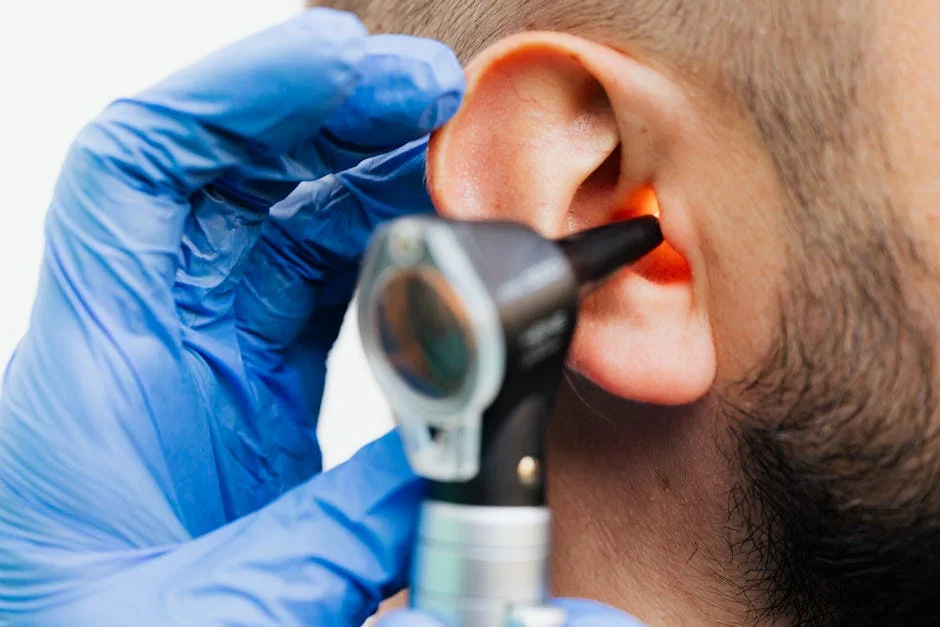
The single most important first step is understanding the degree and type of hearing loss involved. A formal audiological evaluation produces an audiogram, which maps hearing thresholds across frequencies in each ear. That document is not just a formality. It determines whether a person’s loss falls within the OTC-appropriate range, guides the programming of prescription devices, and serves as a baseline for future comparisons.
For moderate-to-severe loss, prescription hearing aids fitted by a licensed audiologist remain the clinical standard. Manufacturer documentation for most OTC devices states clearly that those products are intended for perceived mild-to-moderate loss only. Eargo, for example, has published guidance noting that its compact in-ear designs may not deliver sufficient gain for users with moderate-to-severe loss.
Fit, Form Factor, and Physical Dexterity
Hearing aids come in several form factors, each with different implications for older adults. Receiver-in-canal (RIC) devices sit behind the ear with a thin wire connecting to a speaker in the ear canal. They are currently the most widely prescribed style for age-related hearing loss, in part because they allow the ear canal to remain relatively open, reducing the “plugged up” sensation some users describe.
In-the-ear (ITE) styles, including in-the-canal (ITC) and completely-in-canal (CIC) devices, are smaller and less visible but can be harder to insert, remove, and handle for people with limited fine motor control or arthritis. Owner reviews on Hearing Tracker forums frequently mention that battery management, specifically opening tiny battery doors on smaller devices, becomes a real barrier for older users. Rechargeable devices eliminate that step entirely.
App Control and Technology Access
Bluetooth connectivity and smartphone app control have become standard features across mid-range and premium hearing aids. Those features can be genuinely useful: streaming audio directly from a phone or television, adjusting volume discreetly without touching the device, and sharing audiogram data with remote audiologists are all real benefits.
However, app dependency can also be a barrier. Audiologists writing in The Hearing Journal have noted that some older patients find app-based controls frustrating, particularly those who are not regular smartphone users or who experience vision or cognitive changes that make small-screen navigation difficult. The better devices in this category offer physical volume controls or program buttons as a fallback, rather than requiring the app for basic adjustments.
Hearing Aid Service, Warranty, and Follow-Up
The purchase price of a hearing aid is only part of the total cost of ownership. Follow-up adjustments, cleaning and maintenance, battery or charger replacement, and loss-and-damage coverage all affect the long-term value of any device. Prescription hearing aids purchased through an audiologist typically include multiple follow-up visits and programming adjustments in the initial service agreement, which matters significantly because first-fit programming rarely produces the final optimal settings for most patients.
For OTC devices, post-purchase support varies widely. Some brands, including Jabra Enhance, offer remote support through telehealth-style consultations. Others provide only an online FAQ and a return window. Before purchasing any OTC device, it is worth confirming what happens if the fit is wrong, the sound quality is uncomfortable, or the device malfunctions after the return window closes.
Costco Hearing Centers: A Middle Path Worth Knowing
Costco occupies a unique position in the hearing aid market. Its hearing centers, staffed by licensed hearing instrument specialists and in some locations by audiologists, offer professionally fitted prescription-grade devices at mid-range prices. Consumer Reports has noted Costco hearing centers among the better-value options for prescription-track fitting. The tradeoff, as confirmed by multiple owner accounts on Hearing Tracker, is wait times. Appointment slots can be weeks out in many locations, and the pace of follow-up service may not suit people who need faster adjustments.
Features That Matter Most for Senior Buyers
Not every hearing aid specification matters equally for older adults. The features described below consistently appear in owner feedback and clinical commentary as the ones that determine whether a device actually gets worn.
Directional Microphone and Noise Reduction Performance
Speech-in-noise performance is the single most common complaint among hearing aid users of all ages, and it is especially critical for seniors, who often cite restaurant and family gathering settings as the highest-priority listening situations. Modern hearing aids use directional microphone arrays and digital signal processing to reduce background noise while preserving speech from the front. The quality of these systems varies meaningfully between budget and premium tiers.
Verified buyers on Hearing Tracker consistently note that budget-tier OTC devices often struggle in dynamic noise environments compared to prescription devices with advanced spatial processing. That gap is real, though it comes with a corresponding price difference. For someone whose primary need is quieter one-on-one conversation or television listening, a mid-range OTC device may perform adequately. For someone who regularly attends crowded social events or works in a noisy environment, that tradeoff deserves careful thought.
Telecoil and Assistive Listening System Compatibility
Telecoil (T-coil) technology allows compatible hearing aids to connect directly to hearing loop systems installed in theaters, places of worship, airports, and many public buildings. The signal bypasses the microphone entirely, delivering a clean audio feed directly to the device. Audiologists and hearing loss advocacy organizations including HLAA (Hearing Loss Association of America) have consistently recommended T-coil as a feature worth prioritizing for seniors who attend public venues.
Not all hearing aids include T-coil, and the feature has been dropped from some newer compact designs to save space. If the person being fitted regularly attends a church, theater, or community center with a hearing loop, confirming T-coil compatibility before purchasing is worthwhile. Manufacturer documentation will specify whether T-coil is included.
Rechargeability and Battery Management
As noted in the fit and form factor section above, battery management is a practical barrier for many older adults. Rechargeable hearing aids, which use a charging case similar in concept to wireless earbuds, eliminate the need to handle small zinc-air batteries every few days. Most major brands now offer rechargeable variants of their popular RIC models, and the technology has matured to the point where a full charge typically delivers a full day of use under normal conditions.
The practical downside is that if the charger is unavailable or lost, the device cannot be used until a replacement arrives. Some older adults prefer the redundancy of disposable batteries for that reason. A spare charger stored at a secondary location is a simple solution for rechargeable device users.
Closing Thoughts
The hearing aid market for older adults is genuinely better than it was even five years ago, in terms of technology, accessibility, and pricing options. OTC availability has lowered the entry barrier for adults with mild-to-moderate loss. Prescription devices have improved dramatically in noise performance, connectivity, and comfort. Neither path is automatically the right one. The decision depends on the severity of loss, the listening environments that matter most to the individual, physical dexterity and technology comfort, and the level of ongoing clinical support available.
For families sorting through these decisions together, the most useful first step is usually a hearing evaluation, either through an audiologist, an ENT, or a Costco hearing center. An audiogram takes the guesswork out of the OTC-versus-prescription question and gives any subsequent fitting a factual foundation. The complete Hearing Aids for Seniors resource hub includes additional guidance on device categories, provider options, and what to expect from the fitting process.
Frequently Asked Questions
What is the best hearing aid style for an older adult with arthritis or limited dexterity?
Receiver-in-canal (RIC) devices with rechargeable batteries are widely considered the most manageable option for older adults with dexterity limitations. The behind-the-ear body is larger and easier to handle than in-canal styles, and rechargeability eliminates small battery door manipulation. Hearing instrument specialists cited in Hearing Review have noted that RIC styles also tend to be easier to insert correctly than completely-in-canal designs. Some brands also offer dedicated placement tools and accessories for users with grip challenges.
Can a senior buy hearing aids without seeing a doctor?
Adults 18 and older with perceived mild-to-moderate hearing loss may purchase OTC hearing aids without a medical appointment under the FDA’s 2022 rule. However, adults with symptoms including ear pain, drainage, rapid changes in hearing, or single-sided loss should consult a physician before purchasing any device. A formal audiological evaluation is always advisable before purchasing, even for OTC devices, because it confirms whether OTC amplification is appropriate for the individual’s actual loss pattern.
How long do hearing aids typically last for seniors?
Most manufacturers and audiologists cite a useful lifespan of five to seven years for modern hearing aids under normal use conditions. That estimate assumes regular cleaning, appropriate storage, and timely minor repairs. Prescription devices serviced through an audiologist’s practice may be maintained longer with component replacements. OTC devices without formal service agreements may have shorter practical lifespans.
What is the difference between a hearing aid and a personal sound amplification product (PSAP)?
Hearing aids are FDA-regulated medical devices intended to compensate for hearing impairment. PSAPs are consumer electronics products not classified as medical devices, intended for use by people with normal hearing in specific situations such as hunting or birdwatching. PSAPs are not recommended as substitutes for hearing aids in people with diagnosed or suspected hearing loss. The distinction matters because PSAPs are not required to meet the safety and performance standards applied to hearing aids under FDA regulation.
Does Medicare cover hearing aids for seniors?
Original Medicare (Parts A and B) does not cover hearing aids or routine hearing exams. Some Medicare Advantage plans include hearing benefits, but coverage levels vary significantly between plans and carriers. The National Council on Aging and AARP both publish guidance on evaluating Medicare Advantage hearing benefits during open enrollment. Seniors without hearing coverage should ask audiologists and hearing centers about financing options, as many practices offer payment plans for prescription devices.
<script type="application/ld+json">
{
 "@context": "https://schema.org",
 "@type": "FAQPage",
 "mainEntity": [
 {
 "@type": "Question",
 "name": "What is the best hearing aid style for an older adult with arthritis or limited dexterity?",
 "acceptedAnswer": {
 "@type": "Answer",
 "text": "Receiver-in-canal (RIC) devices with rechargeable batteries are widely considered the most manageable option for older adults with dexterity limitations. The behind-the-ear body is larger and easier to handle than in-canal styles, and rechargeability eliminates small battery door manipulation. Hearing instrument specialists cited in Hearing Review have noted that RIC styles also tend to be easier to insert correctly than completely-in-canal designs. Some brands also offer dedicated placement tools and accessories for users with grip challenges."
 }
 },
 {
 "@type": "Question",
 "name": "Can a senior buy hearing aids without seeing a doctor?",
 "acceptedAnswer": {
 "@type": "Answer",
 "text": "Adults 18 and older with perceived mild-to-moderate hearing loss may purchase OTC hearing aids without a medical appointment under the FDA's 2022 rule. However, adults with symptoms including ear pain, drainage, rapid changes in hearing, or single-sided loss should consult a physician before purchasing any device. A formal audiological evaluation is always advisable before purchasing, even for OTC devices, because it confirms whether OTC amplification is appropriate for the individual's actual loss pattern."
 }
 },
 {
 "@type": "Question",
 "name": "How long do hearing aids typically last for seniors?",
 "acceptedAnswer": {
 "@type": "Answer",
 "text": "Most manufacturers and audiologists cite a useful lifespan of five to seven years for modern hearing aids under normal use conditions. That estimate assumes regular cleaning, appropriate storage, and timely minor repairs. Prescription devices serviced through an audiologist's practice may be maintained longer with component replacements. OTC devices without formal service agreements may have shorter practical lifespans. Owner reviews on Hearing Tracker suggest that moisture damage is the most common cause of premature failure across all device types."
 }
 },
 {
 "@type": "Question",
 "name": "What is the difference between a hearing aid and a personal sound amplification product (PSAP)?",
 "acceptedAnswer": {
 "@type": "Answer",
 "text": "Hearing aids are FDA-regulated medical devices intended to compensate for hearing impairment. PSAPs are consumer electronics products not classified as medical devices, intended for use by people with normal hearing in specific situations such as hunting or birdwatching. PSAPs are not recommended as substitutes for hearing aids in people with diagnosed or suspected hearing loss. The distinction matters because PSAPs are not required to meet the safety and performance standards applied to hearing aids under FDA regulation."
 }
 },
 {
 "@type": "Question",
 "name": "Does Medicare cover hearing aids for seniors?",
 "acceptedAnswer": {
 "@type": "Answer",
 "text": "Original Medicare (Parts A and B) does not cover hearing aids or routine hearing exams. Some Medicare Advantage plans include hearing benefits, but coverage levels vary significantly between plans and carriers. The National Council on Aging and AARP both publish guidance on evaluating Medicare Advantage hearing benefits during open enrollment. Seniors without hearing coverage should ask audiologists and hearing centers about financing options, as many practices offer payment plans for prescription devices."
 }
 }
 ]
}
</script>